
Direct Selling Rules
Our Committment
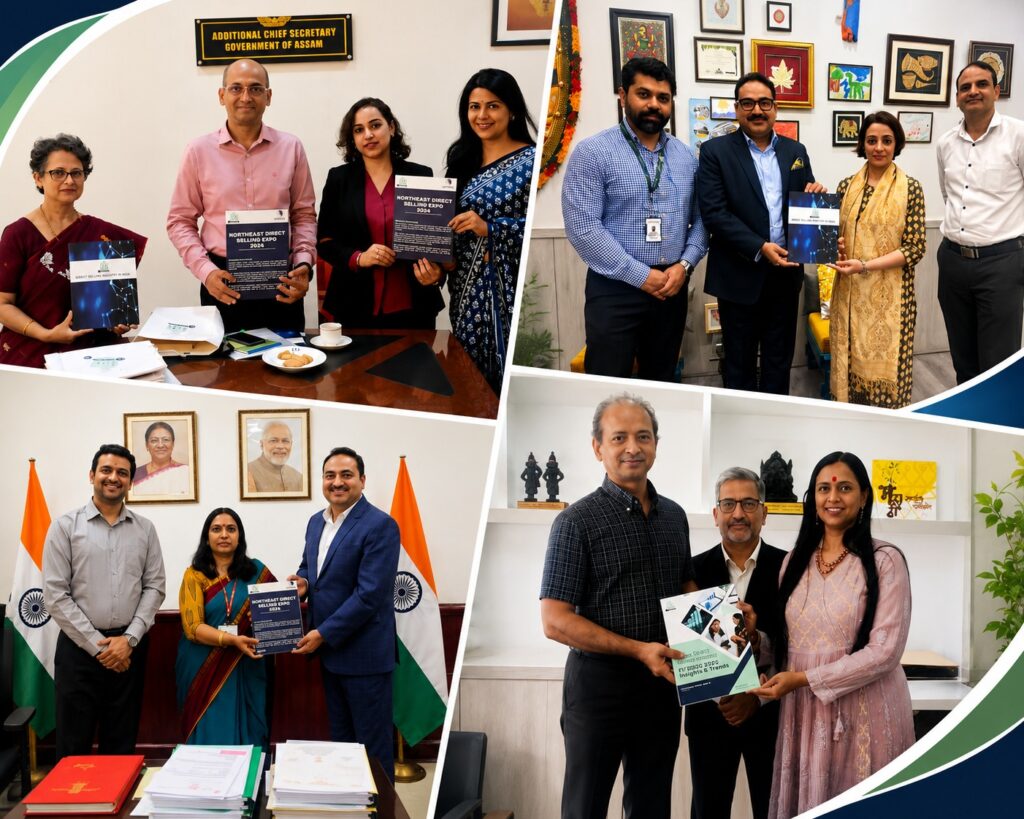
IDSA is committed to strengthening a robust and future-ready regulatory framework for direct selling in India. We actively engage with both Central and State Governments to support the effective implementation and continuous evolution of the Consumer Protection (Direct Selling) Rules, 2021, ensuring clarity, compliance, and consumer protection across the ecosystem. Following the notification of the Consumer Protection (Direct Selling) Rules, 2021, IDSA actively engages with multiple State Departments in an advisory capacity and has been officially appointed as a Subject Matter Expert on State Monitoring Committees across eight states.
Building on its longstanding engagement, IDSA, under the Direct Selling Guidelines, 2016, partnered with 17 states to provide advisory support and strengthen responsible industry growth.. Through sustained policy advocacy and institutional collaboration, IDSA continues to enable a transparent, compliant, and growth-oriented direct selling environment in India.
What is Direct Selling?
Direct selling is a retail channel where companies sell products and services directly to consumers, outside traditional stores. Brands offer a wide range of products such as cosmetics, wellness products, jewelry, cookware, and more.
It also provides an opportunity for individuals to start their own business with low investment and flexible working hours. Direct sellers work independently while partnering with a company, building personal relationships with customers through demonstrations, referrals, and social networks.
The Laws That Govern Direct Selling in India
Direct selling in India operates within a robust legal framework designed to protect both consumers and direct sellers.
Direct Selling Rules, 2021
Direct selling in India was initially guided by the Direct Selling Guidelines, 2016 (implemented around 2017) issued by the Government of India. These guidelines were introduced to provide clarity to states and help distinguish legitimate direct selling businesses from pyramid and money circulation schemes. However, these were advisory in nature and not legally enforceable, which led to inconsistent implementation across different states.
To address these challenges, the government introduced the Consumer Protection (Direct Selling) Rules, 2021 under the Consumer Protection Act, 2019. The new rules were brought in to create a uniform, legally binding framework for the direct selling industry across India.
Key Highlights of the Direct Selling Rules, 2021
The Direct Selling Rules, 2021 establish a strong regulatory foundation to ensure transparency, consumer safety, and ethical business practices in the direct selling industry. These rules outline the standards every direct selling entity must follow—ranging from mandatory website disclosures and grievance mechanisms to strict monitoring by State Governments and compliance with e-commerce regulations.
By defining clear responsibilities for both direct selling companies and their sellers, the framework aims to prevent deceptive practices, eliminate pyramid schemes, promote accountability, and empower consumers with accurate information. These key highlights represent the core pillars of a responsible and legally compliant direct selling ecosystem, designed to protect consumer interests and strengthen trust in the industry.
Website Transparency
State Monitoring
E-Commerce Compliance
IDSA's Role in State Monitoring
Pursuant to the notification of the Consumer Protection (Direct Selling) Rules, 2021, IDSA is working with several State Departments at advisory level while officially appointed as Subject Matter Expert in the state Monitoring Committee in 8 states
Under the earlier framework of the Direct Selling Guidelines, 2016, IDSA served as an advisor to 17 states, assisting in the establishment of monitoring mechanisms and encouraging responsible growth of the direct selling industry.
Explore trusted resources, industry insights, and regulatory guidelines to better understand the direct selling ecosystem. Access policy documents, consumer protection information, and tools designed to support businesses, distributors, and consumers.